Brake symptoms you should not ignore
Brakes do not fail without warning. They tell you a story for weeks, sometimes months, before they stop working. Most drivers ignore the early chapters because the car still stops. By the time the car stops badly, the cheap fix is gone and the expensive fix is the only option left.
Here are the symptoms, in roughly the order they show up.
First: a high-pitched squeal when you brake at low speed. On most cars (American, Japanese, Korean, running semi-metallic or organic pads) that is the wear indicator. It is a small metal tab on the brake pad designed to sing when the pad gets thin. The pad is not dead yet. You have a few weeks. This is the cheapest moment to fix it.
One exception worth knowing: if you drive a European luxury car (BMW, Mercedes, Audi, Porsche, Volvo) or a high-performance model running ceramic pads, that low-speed squeak can be normal even when the pads are healthy. The harder ceramic compound just sings against the rotor, especially on cold mornings or in damp weather. The tell is pedal feel: if it is firm and stopping power is unchanged, it is probably ceramic singing, not a worn pad. Either way, a ten-minute pad inspection settles it.
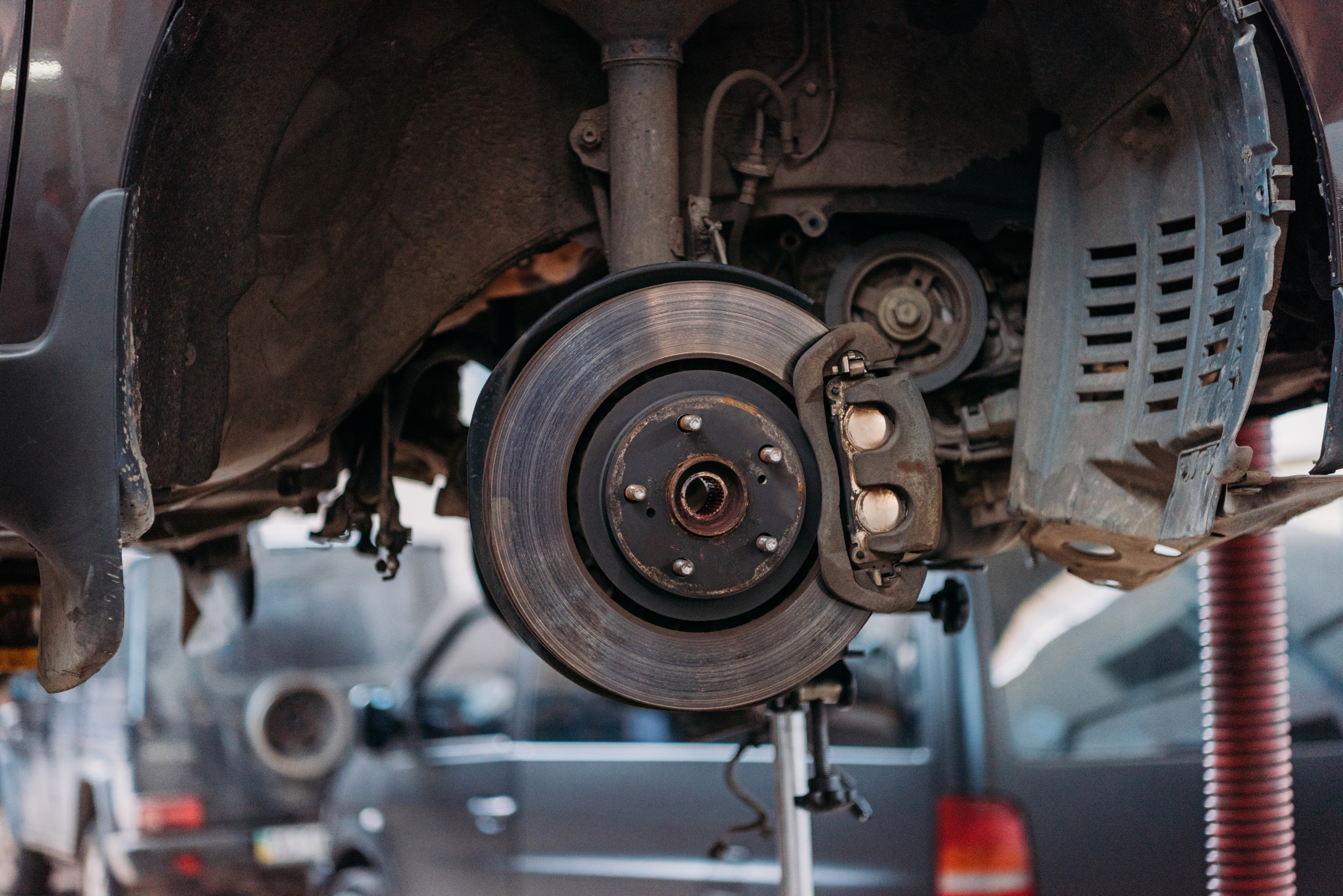
Second: grinding. The squeal got ignored. Now the pad backing is touching the rotor metal-on-metal. Every brake press is filing the rotor down. At this point you usually need pads AND rotors. Cost roughly doubles versus catching it at the squeal stage.
Third: a pulse in the pedal. The pedal pushes back at you in a rhythm when you brake hard. That is a warped rotor. Heat or uneven wear. Sometimes resurfacing fixes it, sometimes the rotor has to be replaced. We measure rotor thickness with a micrometer before we decide. The legal minimum is stamped on the rotor itself.
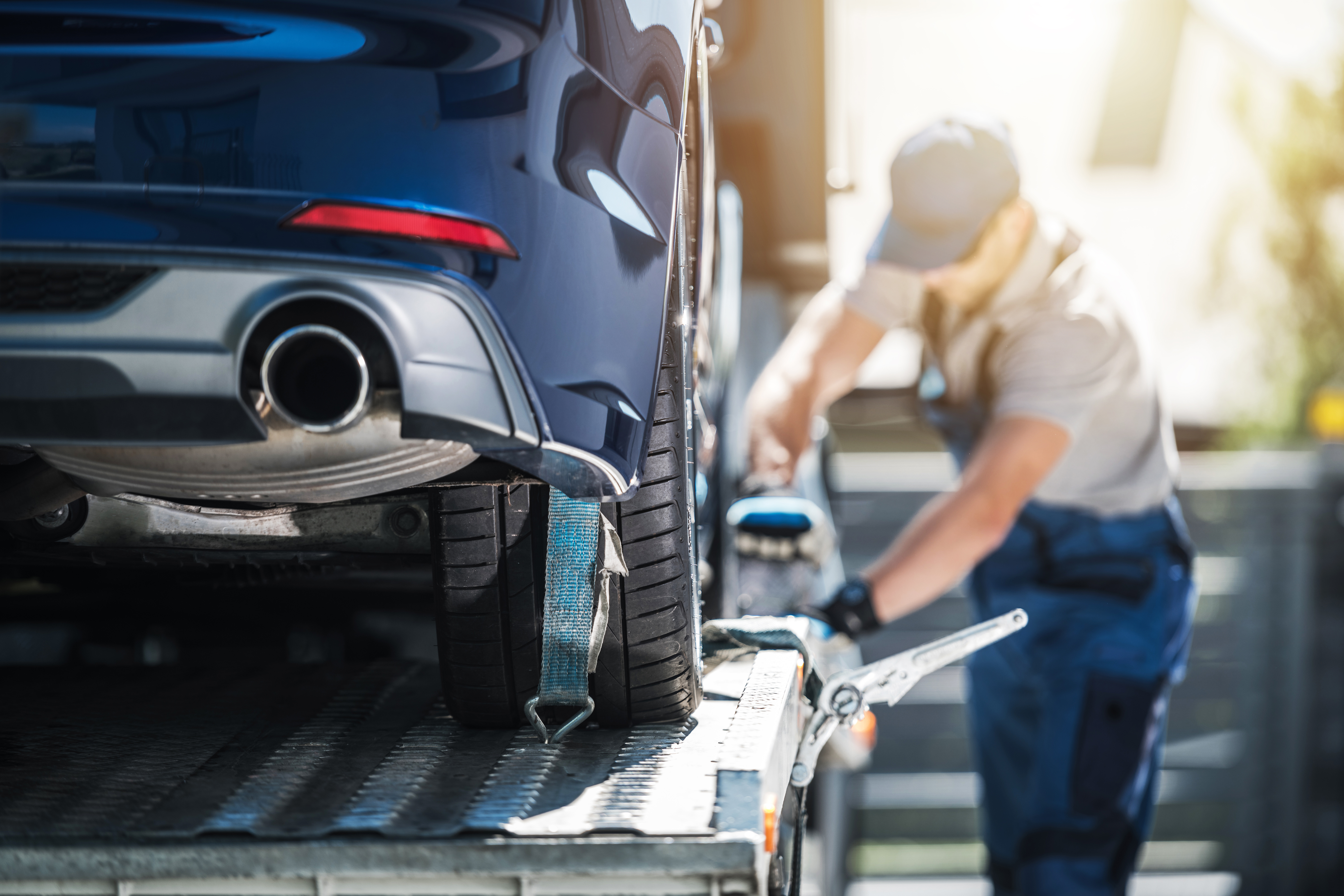
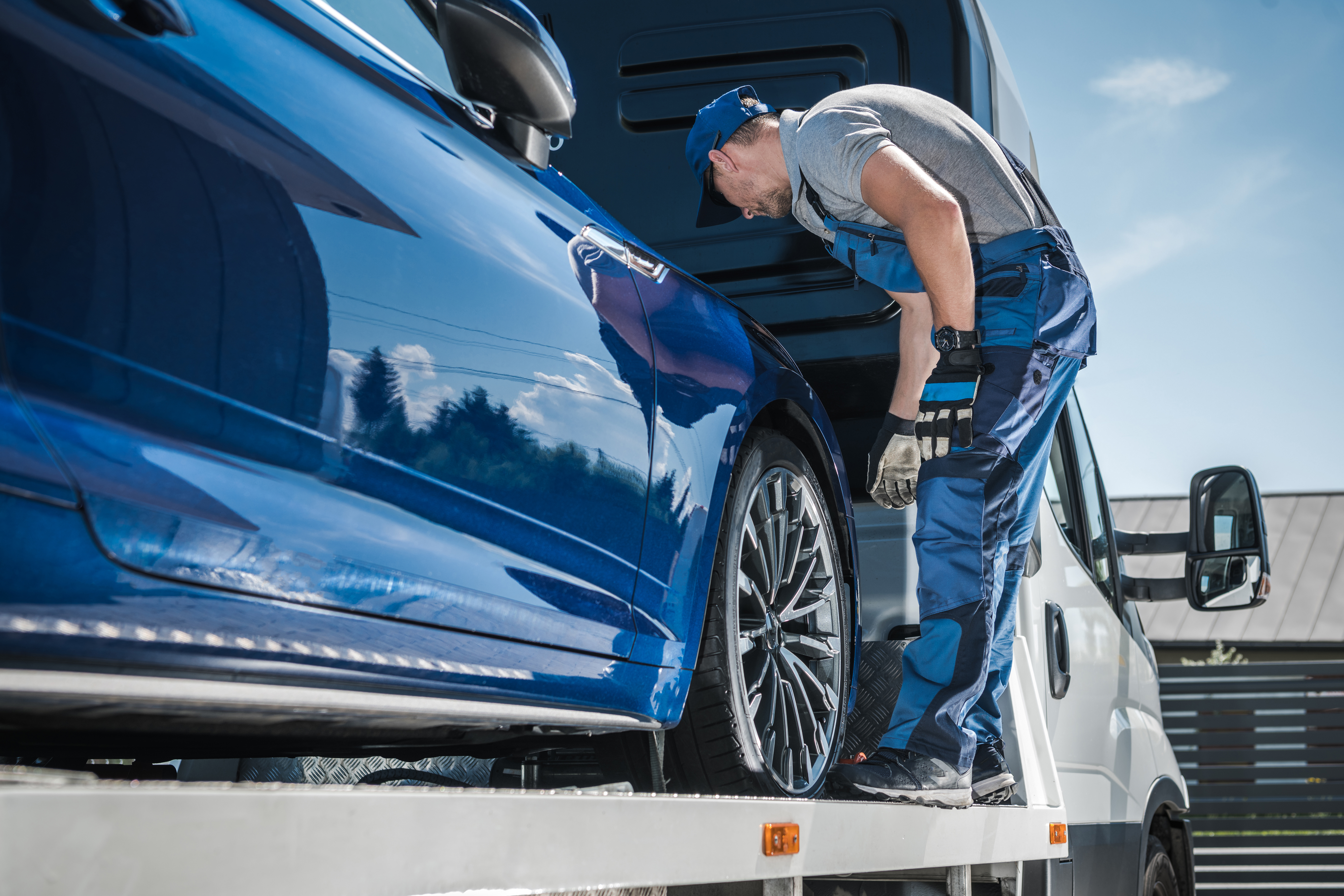
Fourth: the pedal sinks toward the floor. That is a hydraulic problem, usually a leak in a brake line or a failing master cylinder. This is a do-not-drive condition. Tow it in. We're local, shop hours.
Fifth: the brake warning light on the dash. Two versions matter. A red light means the parking brake is on or the brake fluid is critically low. A yellow ABS light means anti-lock system fault; the regular brakes still work but ABS is offline. Both deserve a same-week visit.
Pad-only job at our shop on a common sedan: typically between $180 and $260 per axle, parts and labor. Pad-and-rotor job: between $320 and $480 per axle. The price varies with vehicle, pad grade, and whether sensors need to be replaced. We quote before we cut.
ASE certification means our work meets the same standard a dealership shop would charge twice for. Brake work is one of the cleanest tests of a shop's honesty. There is no upsell math here: pads wear out, rotors wear out, lines leak. You either fix what is failing or you don't.
If your brakes are talking to you, call (978) 701-2069. Diagnosis is free if we do the work. Tell us what you hear and when, and we will tell you whether it's a now-fix or a next-month-fix.
Frequently asked
- How long can I drive on squealing brakes?
- Depends on the pad material. On semi-metallic or organic pads (most American, Japanese, Korean cars), a low-speed squeal is the wear indicator and you have a few weeks of light use at most. The longer you wait, the more likely you'll also need rotors, which doubles the cost. On ceramic pads (most European luxury and some high-performance cars), low-speed squeak can be normal even when pads are healthy. Easiest path: a ten-minute inspection at the shop tells you which case you are in. Free if we do the work.
- What does a brake job cost at Kayuco?
- Pad-only on a common sedan typically runs between $180 and $260 per axle, parts and labor. Pad and rotor together runs between $320 and $480 per axle. We quote your exact vehicle and pad grade before we cut.
- Are you ASE certified for brake work?
- Yes. Our technicians are ASE-certified for general automotive service including brake systems (ASE A5 Brakes). Brake work is one of the cleanest tests of a shop's honesty and we treat it that way.
- My brake pedal sinks toward the floor. Is that an emergency?
- Yes. That is a hydraulic failure, usually a brake line leak or a failing master cylinder. Do not drive the car. Call us during shop hours and we can arrange a tow in.